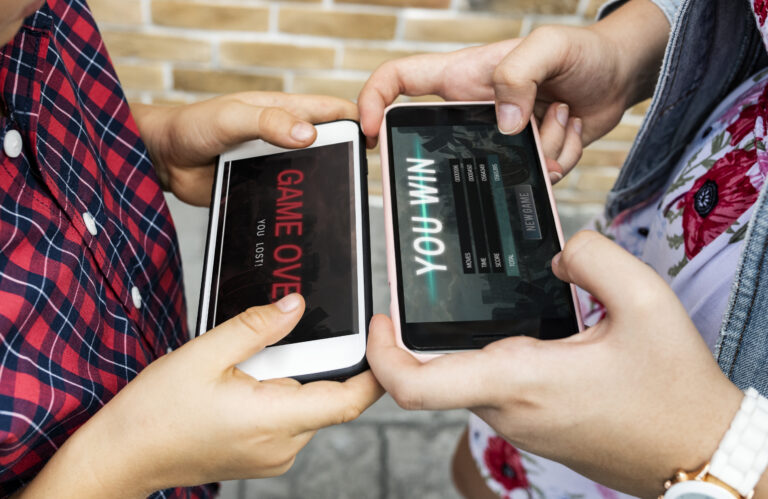

Gamified quizzes have made a big splash across landing pages and marketing campaigns, leaving oldschool calls to action in the dust. As someone who has spent a good chunk of time shaping digital campaigns, I’ve noticed how interactive experiences grab attention, hold it, and actually turn curious visitors into leads or customers. To understand why quizzes work so well, looking at the brain science behind engagement brings some valuable answers. This article walks through the neuroscience of engagement, explores what makes gamified quizzes so effective, and shares practical tips for marketers looking to boost conversions. If you’re ready to check out how quizzes can level up your next campaign, keep reading.
Understanding Neuromarketing and Emotional Engagement
Neuromarketing is a field that studies how people’s brains react to marketing and branding. The idea is simple: if I know what triggers attention, emotion, and memory, I can build messaging that connects more deeply. Marketers use insights from neuroscience to shape experiences that are more likely to spark engagement or action.
When I look at digital campaigns, I see clear differences in how people respond to passive banners or buttons compared to interactive elements. The reason is rooted in how the human brain processes information. Interactive tools, like quizzes, stimulate several brain regions at once. This creates a richer sensory experience, compared to something like a static image with a “Download Now” button. The brain naturally pays more attention to novelty, feedback, and personalization since gamified quizzes easily tick all these boxes.
Over the past decade, neuromarketing studies have shown that emotional connections drive purchase decisions more than logic does. Interactive quizzes evoke curiosity, surprise, and satisfaction with every click, making brand recall much more likely down the line. This is why adding interactivity often outperforms passive content—it stays top of mind and builds positive associations right from the start.
Why Gamification Increases Client Impact
Gamification takes elements commons in games, like points, levels, leaderboards, or ticking clocks, and blends them into non-game experiences. In marketing, I often see quizzes that feature a progress bar, awards for correct answers, or a sense of competition. These moments entertain users while building emotional attachment, a key focus in neuromarketing.
During a quiz, the brain’s reward system kicks in, releasing dopamine when you answer a question correctly or unlock a badge. This chemical boost makes people want to get more involved. I’ve run split tests where gamified landing pages outperformed traditional ones, sometimes by a factor of two or more. Each tiny moment of celebration, from seeing colorful confetti to reaching “Expert” status, reinforces the memory of the brand in positive ways.
Gamification also taps into fundamental human drives—like achievement, recognition, and competition—which can motivate users to finish the quiz and share results. The more users feel like they’re winning, the stronger their attachment to your brand becomes. Over time, these small moments add up, helping shape stronger customer loyalty as well as better conversions.
Key Features That Make Gamified Quizzes Engaging
Not all quizzes are created equal. Gamified quizzes work best when they include several engaging features. Here’s what I’ve found grabs and holds attention:
- Points and Rewards: Earning points with each correct answer or milestone triggers the same satisfaction as progressing in a game. The sense of achievement keeps users active and makes them want to complete the experience.
- Time Pressure: Adding a timer to questions triggers adrenaline and encourages users to focus. This “beat the clock” effect increases emotional investment in the quiz as users rush to answer.
- Game Show Atmosphere: Sound effects, animation, and playful graphics create a fun, immersive experience. This stimulates more brain regions than plain form fields, turning the process into something memorable.
- Progress Indicators: Progress bars indicating how much is left push users to finish what they started. The brain dislikes unfinished tasks, so this visual cue is powerful in nudging users forward.
- Immediate Feedback: Getting instant results or seeing answers right away reinforces learning and makes the experience feel personal. This kind of feedback loop builds satisfaction and trust in your brand.
When I include these features in marketing quizzes, bounce rates drop and completion rates rise. People remember having fun—not just seeing a brand’s name. That positive memory is valuable; it keeps the brand front of mind even after the quiz is over.
Why Gamified Quizzes Outperform Traditional Calls to Action
Oldschool calls to action (CTAs) like “Subscribe” or “Buy Now” ask a user to act without much buildup. They depend on the user already being ready to buy. In contrast, a gamified quiz walks the visitor through an interactive adventure, helping the next step feel like a reward rather than a demand.
Neurologically, interacting with a quiz keeps the brain active and attentive. A 2023 study from the Journal of Interactive Marketing showed that interactive elements boost engagement time by more than 50%. By the time a user reaches the end, they often feel invested in the outcome. They’ve put in effort and built a mini relationship with your brand. When the offer appears, it feels earned rather than forced.
Based on my own campaign results, quizdriven CTAs see conversion rates two to five times higher than static buttons, especially with rewards that feel personalized. One campaign I ran for a retailer saw quiz-generated discount coupons convert at over 30%, compared to less than 10% for regular banners.
Personalized Rewards and Their Impact on Conversions
Offering rewards is powerful—but making sure they’re hyper relevant is a game changer. When a quiz tailors the reward, whether it’s a product recommendation, exclusive report, or discount, to a user’s interests, the perceived value skyrockets.
I’ve run retail campaigns where a skincare brand offered a quiz about skin type and lifestyle that led users to a custom skincare bundle. Not only did engagement rates increase, but shoppers who took the quiz were more likely to finish the checkout process without second-guessing themselves. The magic is in making the reward feel earned and perfectly matched.
Customisation makes people feel understood instead of marketed to. This is one of the biggest reasons why hyper-relevant, personalised rewards drive conversions up in a measurable way. When the reward ties directly to a user’s preferences or answers, it feels special and much harder to ignore.
If you want users to pay attention, focus on rewards that respond to their quiz choices. Segment your audience by outcome and send different offers or follow-ups accordingly. It’s a surefire way to give a boost to conversion rates while also building long-lasting customer loyalty.
How to Implement High-Converting Gamified Quizzes
Getting started with gamified quizzes doesn’t have to be intimidating. I’ve worked with brands of all sizes and found a few steps that help maximize results:
- Know Your Audience: Spend time mapping out your audience’s goals and pain points. Your quiz should help users get to know themselves or stumble upon the value of what you offer.
- Map Out Progression: Structure your quiz for quick wins upfront, keeping things light and fun. Gradually ramp up question complexity to maintain interest—but never drag it out too long.
- Boost With Visuals and Feedback: Add eye-catching graphics, playful sounds, and visual progress. The more senses you engage, the better the positive emotions you’ll create.
- Personalise Rewards: Offer a reward that’s actually useful—a product coupon, tailored advice, or exclusive content. Tie these directly to quiz answers for extra impact.
- Test and Improve: Don’t just set it and forget it. Launch, track performance, then tweak time limits, reward types, or question order to see where you can get the biggest lift.
There are several platforms out there that make it easy to put together interactive quizzes even if you don’t have much tech experience. Native integrations with email marketing tools and CRMs make following up with hot leads a breeze after quiz completion.
For even greater success, gamified quizzes should be part of a broader customer experience. Use email sequences to follow up based on answers, or retarget users who didn’t finish the quiz. Small, personalized touches beyond the quiz itself deepen engagement and lock in long-term value for your business.
Challenges to Watch Out for When Using Gamified Quizzes
Gamified quizzes are powerful but not a cure-all. Here are some bumps I’ve hit on the road that you should be aware of:
- Quizzes that are too long: Anything taking more than three minutes tends to lose people fast. Keep it brief, stay relevant, and trim the fluff.
- Rewards that aren’t special: Generic discounts or PDFs don’t inspire users to act right away. Tailor your offer to fit the quiz result and make it feel exclusive.
- Poor mobile experience: The bulk of users check out quizzes on their phones. Test interaction on all devices to keep things smooth and clear.
- Unclear data policies: People notice when their data is being collected. Let users know why you’re asking for info and use it responsibly. Trust is crucial for long-term engagement and sales.
Keep an eye on user behavior through analytics, gather feedback with optional after-quiz surveys, and fine-tune the experience based on real data. Testing small tweaks over time will help you check what’s working and where to make it even better.
Tips and Tricks to Make Your Next Quiz Stand Out
After building dozens of quizzes for ecommerce, B2B, and service businesses, here are strategies that tend to get standout results:
Ask for the minimum, reward for completion: Collect emails or phone numbers only after someone is hooked by the quiz. People are more likely to opt in when they’re invested in the outcome.
Spark curiosity: Use engaging language like “Which [type] are you?” or “What’s your score?” to ignite user interest. If someone’s curious, they’re way more likely to participate.
Share and repurpose results: Let users compare their results with others or prompt sharing on social media. Display fun stats like “15% of users got the same result.” This amplifies reach through word-of-mouth.
Stay current with trends: Tap into seasonal events, pop culture, or trending topics to boost relevance and capitalize on initial curiosity for better quiz click-throughs.
Add personality: Use friendly, conversational language and playful visuals to make quizzes more inviting. The more your quiz feels like a conversation, the higher your completion rates.
Frequently Asked Questions About Gamified Quizzes
Here are some popular questions I hear from marketers getting started with gamified quizzes:
Question: What’s the ideal length for a gamified quiz?
Answer: Try five to eight questions, lasting no longer than three minutes. This keeps participants engaged and minimizes drop-off.
Question: Do quizzes work for B2B, or just for B2C?
Answer: Both B2B and B2C companies succeed with quizzes. In B2B, quizzes help qualify leads or educate prospects. Consider skills assessments, strategy generators, or industry checkups as alternatives to product match quizzes.
Question: How can I be sure my rewards are relevant?
Answer: Tie your quiz results to a real benefit. If you’re an agency, offer a free audit or toolkit related to the answers. Aim for rewards that solve a user problem or offer a clear next step that ties back to their journey.
Question: What are some easy-to-use quiz building platforms?
Answer: Typeform, Outgrow, and Interact are popular options for userfriendly quiz creation, integration, and data collection—no coding needed.
Real-World Impact: How Marketers Use Gamified Quizzes Successfully
One tech client used a personalised assessment quiz to match prospects to different product demos based on their team setup and specific business needs. The result? The demo conversion rate doubled, and participants arrived at calls better prepared, leading to faster sales cycles. In the retail sector, one fashion brand created a “Style Match” quiz, resulting in a remarkable 40% increase in average order value among those who completed it, compared to nonparticipants.
Both examples underline the same lesson: our brains naturally gravitate to engaging, high-reward activities. By tapping into this tendency, marketers not only spike conversions, but also drive longer-term customer relationships and positive brand perceptions. The impact is real, not just a trend.
Interactive reward driven quizzes pack real staying power as a marketing tool. When done thoughtfully, they connect with users on an emotional level, using neuroscience principles to leave positive memories and stronger bonds. Brands that invest in making quizzes enjoyable, personal, and reward-focused consistently outpace their competition—while leaving static calls to action far behind.